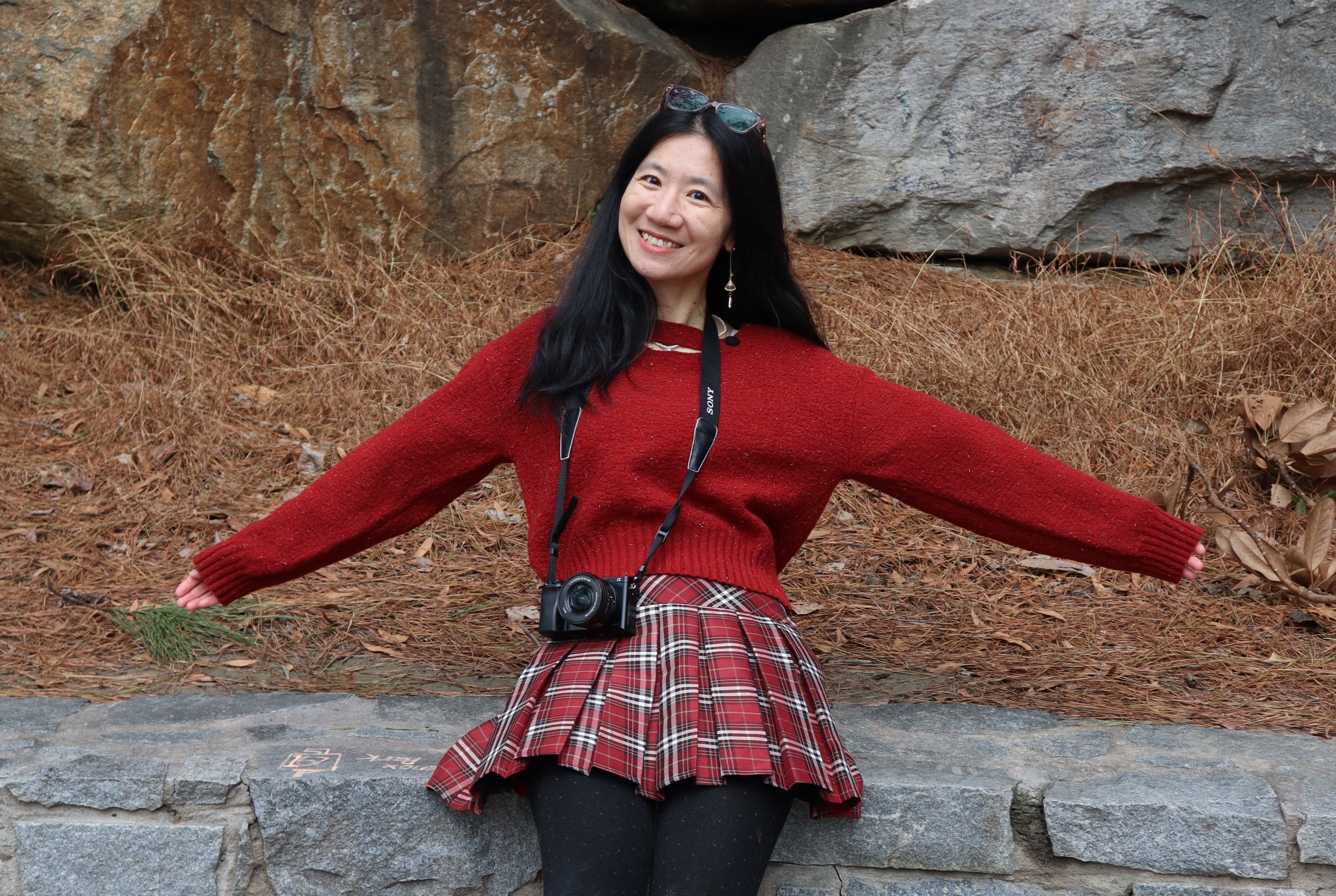
I have always been someone who loves sharing thoughts, recording experiences, and leaving traces of life behind.
Before the internet, I kept handwritten journals in high school notebooks. Then came Tencent QZone during my undergraduate years — something like Facebook, where friends could like and comment on everything I posted. Around the same time, Weibo became popular, and I found myself drawn to it for the thoughts I didn’t want people close to me to see. When WeChat took over, I moved there too, sharing pictures and short notes with friends. I also joined Mafengwo to document my travel plans and journeys.
Coming to America opened up a new set of platforms. I joined Facebook and Instagram to stay connected with American friends, LinkedIn to build my professional network (over 1,500 connections, though I rarely post), and GitHub to share learning notes and course projects. Eventually, I realized I needed a home base — a personal website that could showcase my work and, honestly, demonstrate that I had the skills to build one myself.
The first version was simple, but it was mine. I always wanted to add a blog section, but didn’t have the time or skill to build it the way I envisioned. After settling into my job and discovering the power of AI tools, I rebuilt the site and finally added one. The problem was, I never loved how it looked — and it turns out visual design matters more to motivation than I expected.
Meanwhile, I started making videos and posting on WeChat Channels, RedNote, and YouTube, hoping to build a personal brand and connect with a wider audience. Some people reached out to collaborate, which was exciting. But I noticed something uncomfortable: I started measuring the value of what I shared by view counts. I found myself spending too much time consuming low-quality content, trying to decode platform algorithms, and occasionally having posts removed for reasons I didn’t understand. None of that felt right.
So I came back to the website — this time with more intention, and better tools. With the help of AI, I redesigned the blog in a style I genuinely love: each post displayed as a card with an image, title, and key details. It sounds like a small thing, but it changed everything. A layout I love makes me want to write. That, I think, is the quiet power of good design.
My workflow now is simple: I write a rough draft without worrying too much about grammar, then use AI to help refine and polish it. This lowers the barrier to posting while (hopefully) teaching me something along the way about expressing myself more clearly and precisely.
This website is a lifelong project. It will always be here, and it will only get better over time. Every post is a small record — useful to my future self, and maybe meaningful to someone else reading from a different place and time.
Thank you for visiting. I’m glad you’re here.